Showing posts with label graphic novel. Show all posts

Monday, December 15, 2014

Great gifts for Middle Schoolers: graphic novels!

Looking for something new and fun to read?  Look no further than our latest additions to the Youth Room Graphic Novel section! These books would also make great holiday gifts for avid Middle School graphic novel readers!


Sisters 
The latest from Raina Telgemeier (author/illustrator of Smile and Drama) about her relationship with her sister over the course of a family cross-country trip.


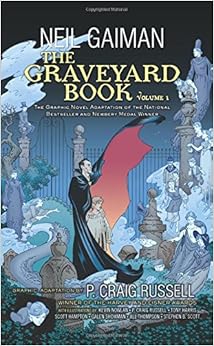
The Graveyard book  
Graphic Novel version of the dark Newbery-medal-winning book about a young orphan who is adopted by ghosts in a graveyard.


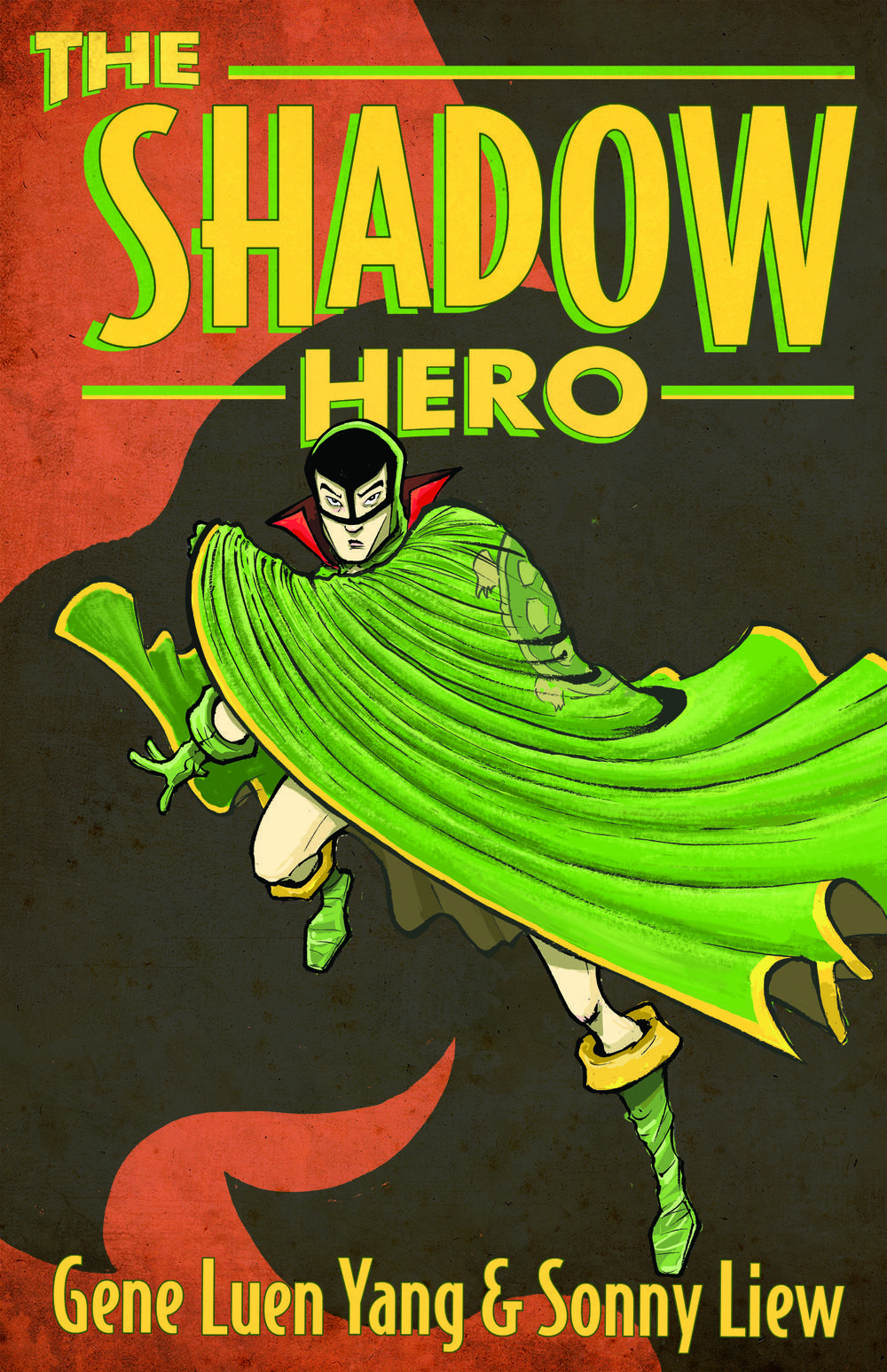
The Shadow Hero 
Well-known graphic novel author Gene Luen Yang invents an origin story for the not-well-known superhero, The Green Turtle, the first Asian-American superhero character.


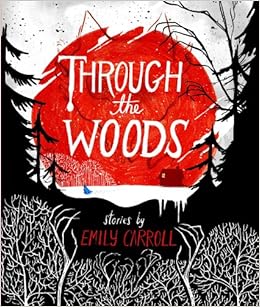
Through the Woods 
This is a spooky collection of fairy-tales gone wrong.  Not for the faint-of-heart, grizzly tales are made even more dark by haunting illustrations.


Shackleton: Antarctic Odyssey 
This non-fiction graphic novel portrays the travels of Earnest Shackleton as he explored the Antarctic. 


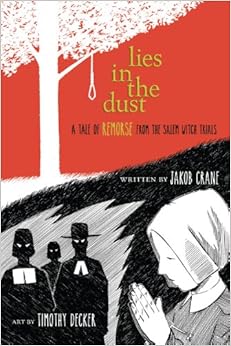
Lies in the Dust: A Tale of Remorse from the Salem Witch Trials 
A letter of apology from Ann Putnam Jr., a key witness in the Salem Witch Trials, comes to life in this graphic novel.


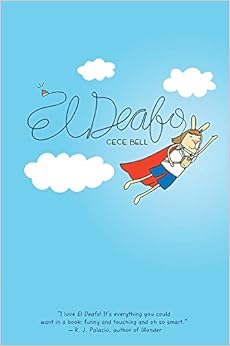
El Deafo
An autobiographical story about a girl navigating making friends and fitting in while using a hearing aid.


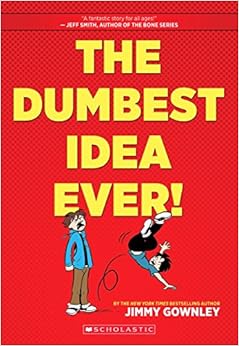
The Dumbest Idea Ever 
This fun autobiographical graphic novel tells of how the author discovered his love of comics and illustrations while bedridden, after missing out on his championship basketball game due to illness.


Thursday, June 12, 2014

Spotlight on Graphic Novels: Middle School Reviews

More reviews from the 25 in 25 Reading Challenge.  This week the focus is graphic novels!


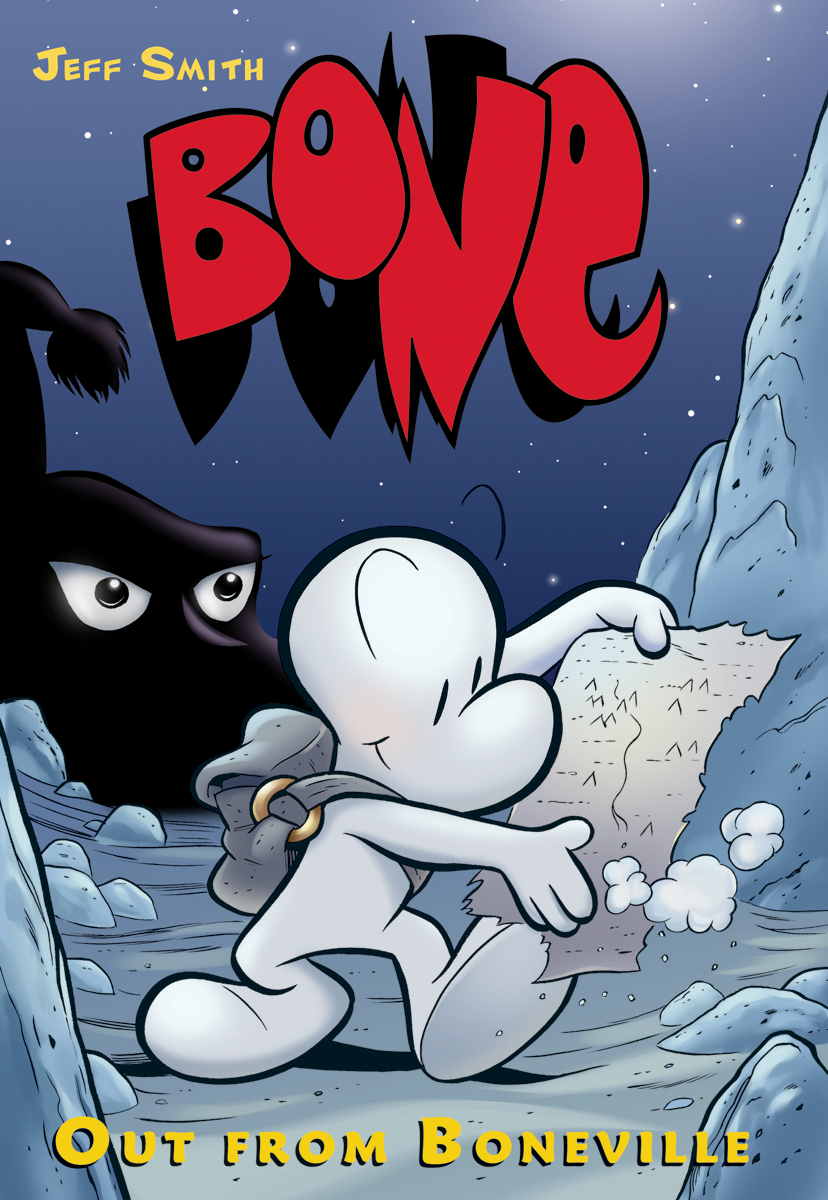
Bone by Jeff Smith
Reviewed by Sammie, grade 6

This is a graphic novel about a bone who finds a baby monster and names him Bartleby.  Bone's brother doesn't like Bartleby and wants him to leave.  Bartleby eventually goes on his own to live with his own kind.


Foiled by Jane Yolen
Reviewed by Firestarness, grade 7

This is an awesome short graphic novel.  It's about a girl named Aleira who likes fencing.  She has a fencing rod that has a jewel at the end.  She soon finds out about its magical powers.


Mouse Guard Fall 1152 by David Petersen
Reviewed by Nobody, grade 7

This is a graphic novel about the lives of mice.  They have formed a mouse guard to protect them from the dangers outside.  The story is about a plot to overthrow the guard.  I thought that this book was not very original.  It followed the common story plot just with mice.  It was mostly predictable but the story was good.


Page by Paige by Laura Lee Gulledge
Reviewed by The Who, grade 7

This book is a graphic novel about a girl who moves to New York City with her family, and the new friends she makes.  The book has really good pictures and a good story line.


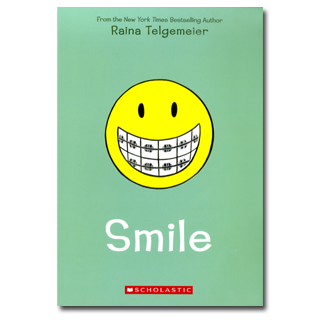
Smile by Raina Telgemeier
Reviewed by WellReader, grade 8

This book is a graphic novel about a young teenage girl who has teeth problems.  She knocks out a few of her grown-up teeth and has to deal with painful consequences for years afterward.  she has other problems too, like growing up, friends, boys, and entering high school.  This is a funny read.

Friday, August 2, 2013

Bluffton


From School Library Journal

Gr 3-6-Henry and his hometown of Muskegon, Michigan, may be ordinary, but neighboring Bluffton is anything but. The year is 1908, and vaudevillians have come to the resort town to relax for the summer. Intrigued by the visitors, Henry heads off to Bluffton and meets a young actor named Buster Keaton. The two boys quickly become friends, but each of them yearns for what the other has-Henry wants a life of show business and fame, while Buster wants a normal life filled with baseball and fishing. Phelan does an excellent job of showing an accurate portrayal of Buster Keaton, from his dangerous physical comedy routines to his alcoholic father; the facts flow so smoothly that it does not feel like historical fiction at all. Henry is undeveloped in the beginning and simply moves along Buster's story, but the character really comes into his own later on when feuding with Buster and trying to put on a show of his own. Phelan's watercolors are expertly rendered and soft in focus, but pop at just the right moments, simultaneously showing the sleepiness of the town, the glamour of show business, and the energy of summer. An author's note and some photos explain a bit more about the real Buster Keaton. Overall, Bluffton is a rich and engaging story with a lot of charm, and will be a great choice for early chapter-book readers and graphic-novel fans.-Peter Blenski, Greenfield Public Library, WIα(c) Copyright 2013. Library Journals LLC, a wholly owned subsidiary of Media Source, Inc. No redistribution permitted.            
 
 From Kirkus Reviews
 Thrilling—a spirited, poignant coming-of-age vignette and an intriguing window into a little-known chapter in vaudeville history.
—Kirkus Reviews (starred review)

Wednesday, July 31, 2013

Middle School Book Reviews - Spotlight on Graphic Novels!

Each week we will be posting reviews from a rising 6th, 7th, and 8th grader who are participating in our 10 in 10 challenge (read 10 books in 10 weeks) this summer.  Check back regularly to get recommendations from kids like you!

This week's focus is graphic novels:

Robot Dreams by Sara Varon
Reviewed by A.C., a rising 6th grader

This book is about a dog and a robot who are best friends.  They go to the beach together and dog wants robot to go in the water with him.  That's when the trouble starts.  This book has no words so you get to make them up.  Happy reading!


Drama by Raina Telgemeier
Reviewed by K.W., a rising 7th grader

Callie loves theater but can't sing so she decides to join stage crew.  The actors having drama on and off stage makes it crazy! When she meets two brothers, her year takes a turn.  I love this book.  The story was great.  The characters seemed real.  The artwork was fabulous. 5 out of 5.

Level Up by Gene Luen Yang
Reviewed by K.W., a rising 8th grader

I really enjoyed this book.  It was fun and interesting to read from beginning to end! It was funny and had a good lesson in the end.  I would definitely recommend this book to someone!

Thursday, May 30, 2013

Our favorite new book: Odd Duck by Cecil Castellucci

Theodora is a perfectly normal duck. She may swim with a teacup balanced on her head and stay north when the rest of the ducks fly south for the winter, but there's nothing so odd about that.
Chad, on the other hand, is one strange bird. Theodora quite likes him, but she can't overlook his odd habits. It's a good thing Chad has a normal friend like Theodora to set a good example for him.
But who exactly is the odd duck here? Theodora may not like the answer.
Sara Varon (Robot Dreams) teams up with Cecil Castellucci (Grandma's Gloves) for a gorgeous, funny, and heartwarming examination of the perils and pleasures of friendship.
 "Varon’s gentle art and Castellucci’s nuanced writing combine in a sweet, quiet tale that celebrates the joys of being unique." -- Booklist * "This clever celebration of individuality delights." -- Kirkus Reviews, starred review "A lively friendship story that shows it’s more fun to be different than “normal,” and most fun of all to be different with a buddy." -- The Horn Book * "Warm and with solid insight into the nature of quirk, this title will amuse most readers, and it may be a welcome balm for those who feel a bit different." -- School Library Journal, starred review


About the Author


Cecil Castellucci's books include Boy Proof (Candlewick, 2005), The Plain Janes (Minx/DC Comics, 2007), and The Year of the Beasts (Roaring Brook, 2012). She collaborated with artist Sara Varon on Odd Duck, a graphic novel for young readers. She is the YA editor of the Los Angeles Review of Books and a two time Macdowell Fellow. She lives in Los Angeles.
Originally from the Chicago area, Sara Varon now resides in Brooklyn, New York. When not drawing, she likes to visit the flowers in her yard and pet the neighborhood dogs. Like Theodora, she might be considered an odd duck. Her books include Robot Dreams, Bake Sale, Chicken and Cat, and Chicken and Cat Clean Up. Odd Duck is her most recent graphic novel.

Wednesday, April 3, 2013

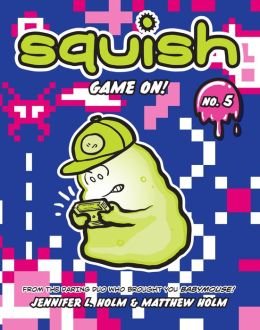
Another volume of Squish will be published in May!

Who is Squish?
He's a comic book-loving, twinkie-eating grade school AMOEBA trying to find his place in the world (or at least trying to make it through a school day).


Visit the official Squish Website: http://www.randomhouse.com/kids/babymouse/squish/

Here's what people are saying about everyone's favorite amoeba!

New York Times:
"An energetic, good-hearted escapade, one that young readers will enjoy."

Starred Review, Kirkus Reviews:
* "Hilarious. If ever a new series deserved to go viral, this one does."

The Bulletin:
"A perfect mix of writing that is simple enough for early readers but still remarkably snarky, clever, and entertaining. Kids will soak up the humor, tidbits of science instruction, and adventure."


About the Author


Brother-and-sister team MATTHEW "InkBoy" HOLM and JENNIFER "WriterGirl" HOLM are the dashing duo behind the award-winning Babymouse series. In addition to fighting the forces of evil, Jennifer is the New York Times bestselling author of several acclaimed novels, including three Newbery Honor winners, Our Only May Amelia, Penny from Heaven and Turtle in Paradise. Matthew Holm is a graphic designer and freelance writer.

Friday, January 25, 2013

Peanut by Ayun Halliday

Our new favorite YA graphic novel is Peanut, by Ayun Halliday.
"…the hardest thing about a peanut allergy is remembering to stay vigilant, especially if you don’t actually have one."


From School Library Journal

Gr 7 Up-Worried about transferring to a new school, Sadie comes up with the idea of faking a peanut allergy. She thinks that pretending to have a life-threatening condition will draw attention to her and generate sympathy. Her predictions come true, and she makes several new friends and even attracts a boyfriend. But as time passes, Sadie finds it harder and harder to keep up with her lies, and her story begins to unravel. The girl who became best known for having a peanut allergy is heading toward a future in which she will become best known for being a liar, and she will have to deal with the backlash from people who knew her under false pretenses. Sadie is an empathetic character, and readers will relate to her nervousness about fitting in, her emotional tug-of-war with her mother, and the ups and downs of her friendships. Hoppe's cartoon illustrations are primarily in grayscale but he also uses one color (red) to highlight Sadie's character or objects like a flower from her boyfriend. Librarians, teachers, and parents should definitely share this book with teens looking for realistic graphic novels about schools, friendship, peer pressure, or moral choices.--Andrea Lipinski, New York Public Libraryα(c) Copyright 2011. Library Journals LLC, a wholly owned subsidiary of Media Source, Inc. 
For more about Ayun Halliday, go to:
  http://ayunhalliday.com/


Wednesday, October 17, 2012

Babymouse for President!

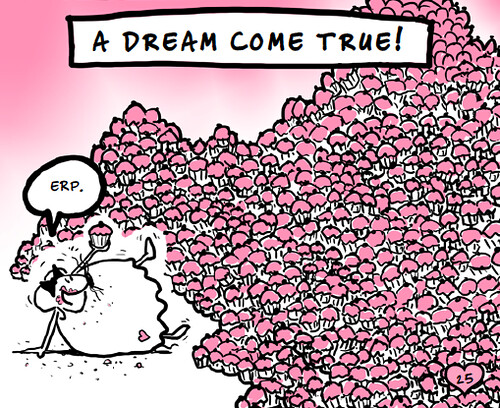
A Cupcake in every locker! It's election season and if anyone knows what this country . . . er, what the student council needs, it's Babymouse. The only trouble is, everyone else is running for President, too—even Babymouse's locker! Will Felicia Furrypaws turn out the meangirl coalition? Does Babymouse have what it takes to become the voice of the people? Find out in Babymouse for President! Remember, a vote for Babymouse is a vote for cupcakes!


Monday, July 2, 2012

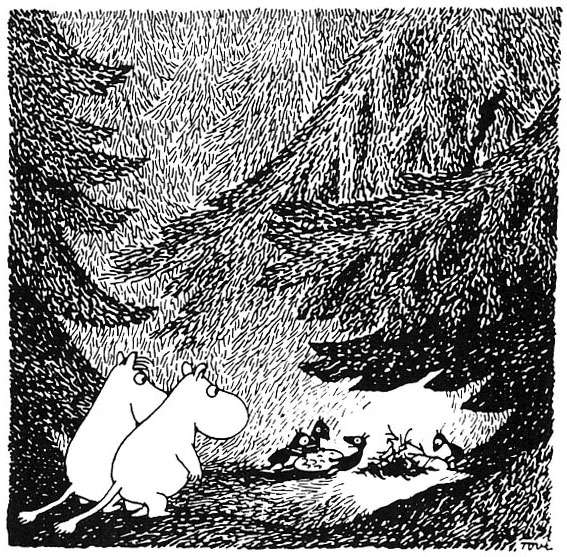
Moomins and the wonderful work of Tove Jansson


Tove Jansson is revered around the world as one of the foremost children's authors of the twentieth century for her illustrated chapter books regarding the magical worlds of her creation, the Moomins. The Moomins saw life in many forms but debuted to its biggest audience ever on the pages of the world's largest newspaper, the London Evening News, in 1954. The strip was syndicated in newspapers around the world with millions of readers in forty countries.
The Moomins are a tight-knit family-hippo-shaped creatures with easygoing and adventurous outlooks. Jansson's art is pared down and precise, yet able to compose beautiful portraits of ambling creatures in fields of flowers or on rock-strewn beaches that recall Jansson's Nordic roots. The comic strip reached out to adults with its gentle and droll sense of humor. Whimsical but with biting undertones, Jansson's observations of everyday life, including guests who overstay their welcome, modern art, movie stars, and high society, easily caught the attention of an international audience and still resonate today.

For more on Tove Jansson and her work, go to:

http://www.moomin.com/eng/

http://www.moomintrove.com/index.htm
 

Tuesday, May 29, 2012

Graphic Novels from Lat

GRAPHIC NOVEL REVIEW: Kampung Boy & Town Boy

by Andrew Wheeleron at 2:57 pm
Posted In: , Reviews

It can be a bit disconcerting to discover that whole comics industries exist in previously unsuspected places. We all know about the large French-Belgian comics market, and of course the massive world of Japanese manga, but who suspected that there was a great Malaysian cartoonist?
Well, there is, and his name is Lat. He’s been working in comics since the late ‘60s, but his work has never been published in the US before. His stories first appeared weekly in the newspaper Berita Minggu when he was thirteen years old, and he was awarded the prestigious Malaysian honorific title Datuk in 1994. (Think something along the lines of “Sir” or “Lord.”) According to Wikipedia, Lat’s real name is Mohammed Nor Khalid, and much of his work seems to be political or topical cartoons for the major Malaysian newspaper New Straits Times. (The Wikipedia entry has a list of his titles, and many of them sound like compilations of previously published work.)
Kampung Boy seems to have been his first standalone graphic novel, and begins his autobiography; Town Boy continues the story from the point Kampung Boy leaves off, and brings him up nearly to the end of his schooling. Kampung Boy is laid out more like a children’s book than like comics; the art spreads across the pages, accompanied by hand-lettered text set like captions. There are no panel borders, and only the occasional word balloon. Town Boy starts off in the same style, but turns into more traditional comics for much of its length, with long stretches laid out as panels with word balloons. The difference is that the purely narrated sections – all of Kampung Boy, and the parts of Town Boy covering general information or longer stretches of time – are done in the first style, while detailed, dialogue-intensive scenes need the immediacy of balloons and borders.
Kampung Boy begins like a traditional autobiography: Lat is born on the first page. The rest of the book chronicles his life in a very rural village, or kampung, up to about the age of ten, when he is sent off to a boarding school in the town of Ipoh. The details of his life are exotic, but the rhythms of rural life, and of boyhood, are very familiar and well captured. Lat may be a Muslim boy on the other side of the world, in a region that farms rubber and mines tin, but the life of a boy in a village, falling asleep during lessons in a small school and swimming with his friends in the river, is not all that different from Mark Twain’s childhood.


Town Boy becomes a bit more exotic, because Lat (called Mat in the book, for no reason I can see) is now a teenager, living in a larger town, and interested in the strange and foreign (to him) world of Western rock music. It also focuses more on Lat/Mat’s friendships, schooling, and his appreciation for Normah, the most beautiful girl in Ipoh. But, again, he’s a boy at school in the middle of the 20th century, hanging out with his friends and hoping to do well on his exams – the universals outweigh the specifics, and make a story we can easily enter into.
Lat’s drawing style is very energetic and stylized; he creates very caricatured, idiosyncratic people and incorporates a lot of motion into his drawings. There’s something reminiscent of Don Martin or Sergio Aragones in his work, though clearly coming out of a different artistic tradition – he’s drawing funny pictures to make his readers smile and laugh, and uses much of the same visual shorthand to do so. He’s a cartoonist rather than an illustrator, and I mean that as praise; he knows how to make his drawings lively and funny. (His depiction of teenage boys’ slouching, no-hurry walk is exceptionally good.)
First Second is aiming a lot of its books at the Young Adult and library market, and Lat’s autobiographies are a natural for a young (particularly male) audience. But there’s no reason why Kampung Boy and Town Boy should be restricted to younger audiences; they’re suitable for young readers but not restricted to them. Anyone interested in humorous cartooning and coming-of-age stories should find much to enjoy in Lat’s books – so I hope First Second will publish more of them.

Kampung Boy
Lat
First Second, 2006, $16.95

Town Boy
Lat
First Second, 2007, $16.95

Wednesday, May 23, 2012

Graphic Novels 101: FAQ by Robin Brenner


From the March/April 2006 issue of The Horn Book Magazine

Graphic Novels 101: FAQ

By Robin Brenner

By day a mild-mannered library technician at Cary Memorial Library in Lexington, Massachusetts, Brenner is the creator and editor-in-chief of “No Flying, No Tights,” a website reviewing graphic novels for teens, and “Sidekicks,” its sister site for kids. Here are her answers to some frequently asked questions.


Q What’s the difference between a comic book and a graphic novel?

A Most simply, length. A comic and a graphic novel are told via the same format, officially called sequential art: the combination of text, panels, and images. Comic strips, comic books, and graphic novels are in this sense all the same thing, but comic books stretch a story out to about thirty pages, whereas graphic novels can be as long as six hundred pages.


Q What’s the difference between American comics and Japanese manga?

A There are a few key differences between American graphic novels and Japanese graphic novels, or manga. While superhero comics still dominate the U.S. market, in Japan there is a much wider diversity of topics, from romantic comedies to historical fiction to how-to comics, and they are published in both weekly and monthly installments. Japanese comics work with a complex language of visual signals, from character design to sound effects to common symbols. The biggest difference is obvious: Japanese comics are from another culture and were never intended for export. In some ways, Japan’s pop culture is like ours, but in many ways it’s not, and learning the secret code that opens up those stories for us is one thing that makes manga so appealing to American readers.


Q Are different graphic novels aimed at different audiences?

A Most certainly! In today’s market, graphic novels exist for almost everyone but are not automatically for all ages. In the past, American comics were mostly aimed at children and teens, but today there are graphic novels for everyone from elementary school kids to seniors. It’s true that a higher percentage of graphic novels and comics are still essentially aimed at men from teens to middle age, while girls and women have fewer titles created expressly for their tastes. Japanese manga creators, on the other hand, have a specific age and gender audience in mind when working on their titles, and those age and gender recommendations usually hold up.


Q What are some common misconceptions about graphic novels?

A Comics and graphic novels are for kids. In reality, comics never were just for kids. Even in the 1940s–1950s Golden Age of superhero comics, there were crime, fantasy, and science fiction comics intended for teens and adults rather than children. However, due to the hullabaloo started by psychologist Fredric Wertham’s Seduction of the Innocent (1954), which drew a tenuous connection between juvenile delinquency and comics, comics’ content became watered down. Many adults are still under the impression that the format automatically means juvenile content — but as the average age of a comics reader is thirty, this is certainly not true.

Graphic novels are all full of violence and explicit sex. On almost opposite tack to the idea that graphic novels are for kids, many adults fear that they are full of sex and violence. Like many previous formats, graphic novels are painted with the extremes of what’s available. There are comics with R- or X-rated content, but they are not the bulk of what’s available, nor are those titles intended for younger audiences.

Comics and graphic novels are only superheroes. Yes, superheroes are still the bread and butter of the big companies, but genre diversity is increasing every day with more and more independent companies publishing a range of genres, from memoir to fantasy to historical fiction. This is partly what has allowed graphic novels to truly break into the book market. On the other hand, this distinction could also lead to the mistaken conclusion that there is nothing of value in superhero comics. A few years ago, many dismissed fantasy as a lesser genre, but the success and popularity of Harry Potter has reminded the reading public that genre does not define quality.

Graphic novels are for reluctant readers. One of the biggest benefits of graphic novels is that they often attract kids who are considered “reluctant” readers. This is not just hype — the combination of less text, narrative support from images, and a feeling of reading outside the expected canon often relieves the tension of reading expectations for kids who are not natural readers, and lets them learn to be confident and engaged consumers of great stories. That being said, graphic novels are not only for reluctant readers — they’re for everyone! It’s a disservice to the format to dismiss it as only for those who don’t read otherwise, and relegating graphic novels to a lower rung of the reading scale is not only snobbish, but wrong.

Graphic novels aren’t “real” books. This one’s a zinger and contains a bit of truth and a lot of prejudice. The key to categorizing graphic novels is to remember that they’re a format, akin to audiobooks, videos, and television, all media that have struggled for acceptance. Graphic novels are not and were never intended to be a replacement for prose. Sequential art is just another way to tell a story, with different demands on the reader. So, yes, graphic novels don’t work exactly the same way that traditional novels do, but they can be as demanding, creative, intelligent, compelling, and full of story as any book.


Q Why should kids read comics and graphic novels?

A Graphic novels are simply another way to get a story. They represent an alternative to other formats, not a replacement. They are as varied as any other medium and have their fair share of every kind of title, from fluff to literary masterpieces. What they always involve, though, is reading — just as books, from Newbery winners to the latest installment in the Animorphs series, do. Stephen Krashen, who examines voluntary reading in his book The Power of Reading, discovered that comics are an unrecognized influence on reading. He found that not only were kids more likely to pick up comics voluntarily, but the average comic book has twice the vocabulary as the average children’s book and three times the vocabulary of a conversation between an adult and child. And the very fact that a child chooses to read them gives them a greater impact on that child’s confidence in reading.

Not only do graphic novels entail reading in the traditional sense, they also require reading in a new way. To read a comic requires an active participation in the text that is quite different from reading prose: the reader must make the connections between the images and the text and create the links between each panel and the page as a whole. This is generally referred to as “reading between the panels,” and this kind of literacy is not only new but vital in interacting with and succeeding in our multimedia world. If you’ve ever struggled to make the connections in reading a graphic novel while a teen reader whizzes through it, you’ve experienced how different this type of literacy is.

Squish Trailer


In the battle between good and evil, there's only one who has the courage to do what's right... SQUISH! Saving the world...one cell at a time!

Babymouse!


From Booklist:
Gr. 4-6. In this energetic comic by a brother-sister team (Jennifer's Our Only May Amelia was a Newbery Honor Book), Babymouse, a wise-cracking rodent stand-in for your average, adventure-seeking nine-year-old, strives to capture popular Felicia's goodwill, finally achieving her end at the expense of Wilson Weasel, truest of friends. But, wouldn't you know it, Felicia's world has little to offer a smart, fun-loving mouse, after all. The Holms spruce up some well-trod ground with breathless pacing and clever flights of Babymouse's imagination, and their manic, pink-toned illustrations of Babymouse and her cohorts vigorously reflect the internal life of any million-ideas-a-minute middle-school student. Jesse Karp
Copyright © American Library Association. All rights reserved

For more about Babymouse and her upcoming July 10 release of Babymouse for President, go to http://www.randomhouse.com/kids/babymouse/homepage.htm


Thursday, April 12, 2012

Fungus the Bogeyman (2006) Trailer

Fungus the Bogeyman --- from The Guardian

What I'm reading: Fungus the Bogeyman

Far more than a horribly enjoyable tale for children, this book is a masterpiece of complex nihilism.

by
Tuesday 24 April 2007 05.59 EDT


Raymond Briggs's Fungus the Bogeyman is the current bedtime reading for my kids, and I'd forgotten what a rich, imaginative and complex philosophical work it is. Far from being a simple celebration of all things wet and slimy, Briggs' book creates an upside-down underworld where a gloomy nihilism is the order of the day, and with whose attitudes Briggs clearly has some sympathy. The book was first published in 1977 and has a definite punky, "no future", Sex Pistols quality.
The Bogeymen have something of the grumpy old man about them. They abhor anything new, and for that reason do not buy newspapers, but rather oldspapers. Posters on the walls advertise events long since passed.
It is an appealingly slow world. Bicycle tyres are filled with goo and sailboats are square-fronted to ensure slow sailing. Their games, such as pig-sticking and tiddlywinks, are non-competitive and can last for days. In Bogeyball, there is no cheering or shouting and the players glide dreamily around in the thick mud, with a grace, Briggs says, "which makes the fussy scrurrying around of Surface footballers appear slightly ridiculous". The purpose of angling is to avoid catching fish, and any Bogey who does so will retire shamefacedly to a bar.
Bogeys love sleep and the outdoors is dotted with dreamholes, whey they will retire for a nap. When their problems appear insurmountable, they simply retreat form the world and may go to sleep for up to a year in specially created graveyard-like zones called "interests".
The book masterfully combines a thorough anatomy of Bogeyworld with a meditation on the futility of existence. As Fungus moves slowly through his day (or, I should say, his night, since Bogeys are nocturnal), he is given to such reflections as "Not to reason why... not ask questions... just keep bogling away".
And that brings us to the vexed question of the Bogeyman's job: frightening humans. In the book, it is Bogeys like Fungus who spend their nights separating socks, kicking tiles off the roof, creaking the stairs and banging the dustbin lids. They also press their green fingers on the necks of sleeping humans in order to create boils. Why?
All of Briggs's work is great but I think Fungus is his masterpiece.

Thursday, February 16, 2012

Smile by Raina Telgemeier

From Anita Silvey'sChildren's Book-A-Day Almanac:


In this honest and straightforward book, examining the struggles of growing up and dealing with identify, Raina shares all her concerns—getting crushes, finding new friends, and slowly beginning to understand her place in a new school. In the end she finds the solution to her problems: “I threw my passion into things I enjoyed, rather than feeling sorry for myself. I realized that I had been letting the way I looked on the outside affect how I felt on the inside. But the more I focused on my interests, the more it brought out things I liked about myself.”
Few writers have given better advice to young readers. Because Raina uses the most popular format of the day, the graphic novel, to tell this story, she has already won over her audience by the time she delivers these lines. Readers come to love Raina, cheer her along, and even learn a great deal about what happens in the dentist chair and what various dental procedures entail. For anyone who has had to undergo extensive dental work, whether braces or reconstructive surgery, this book is almost a necessity.
Since publication, Smile has been wildly popular with young readers. John Schumacher, Librarian at the Brook Forest Elementary School in Oak Brook, Illinois, witnessed a fifth grader put the book in a friend’s hand, guide her to the circulation desk, and say, “You must check this out now and tell me your thoughts in the morning!” An interactive website has also been widely used by fifth and sixth graders. Some read Smile as a memoir; others simply find themselves fascinated by a story that rings so true to their own experiences. Outside of being easy to comprehend and a very fresh and honest look at common dilemmas among children and teens, Smile has been created by someone who remembers, in exacting detail, the concerns of fifth through eighth graders. In the end, whether you are an adult or child, after finishing this book you will find yourself smiling along with the protagonist.
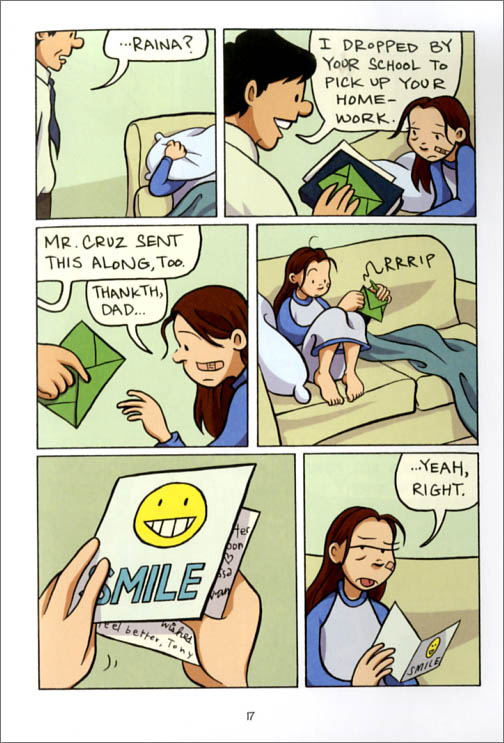
Here’s a page from Smile:

Originally posted February 16, 2011. Updated for 2012.
Tags: Award Winning, Boston Globe-Horn Book Award, Family, Health, Humor, School
Share:

Tuesday, November 8, 2011

Tintin!


Coming December 21st, The Adventures of Tintin is the long-awaited film version of Herge's Tintin graphic novels!  The Adventures of Tintin series was created in 1929 by a Belgian artist who called himself Hergé. Clever and ever-curious, Tintin is a reporter-turned-detective whose pursuit of villains, criminals, treasure and the occasional artifact takes him all over the world, along with a colorful cast of friends. Hergé based his stories on real-world events and cultures that had caught the Belgian national attention — from space exploration to Arab oil wars — and brought them to life for his readers in inspiring and exciting ways.

Hergé Drawing Tintin

For more about the movie, go to http://www.us.movie.tintin.com/

For more about the books, the author and the movie, go to http://us.tintin.com/

We have multiple copies of all the Tintin books (even the difficult to find The adventures of Tintin, reporter for Le Petit Vingtième, in the Congo and The adventures of Tintin, reporter for Le Petit Vingtième  --- in the Land of the Soviets !) in our juvenile graphic novel collection; stop by and check some out!

Tuesday, November 1, 2011

Recommended graphic novel

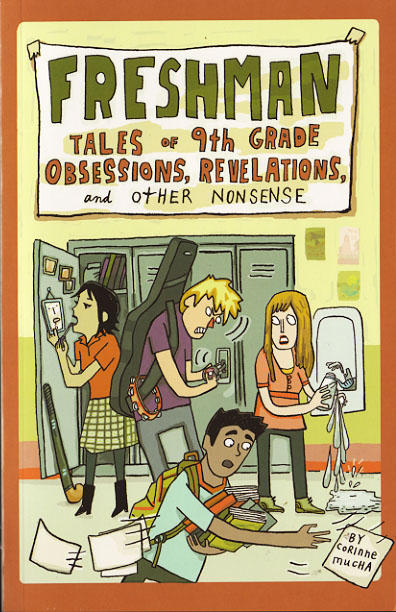
Freshman: Tales of 9th Grade Obsessions, Revelations, and Other Nonsense by Corinne Mucha; Zest Books, 2011


Sweet and goofy, this graphic novel follows a girl through her freshman year in high school, with all of its social posturing and anxiety.  Annie makes and loses friends, tries new things (with mixed results), and learns to navigate her teenage world.  Available in the Quigley Youth Room in our Youth Graphic Novel collection.

Thursday, September 22, 2011

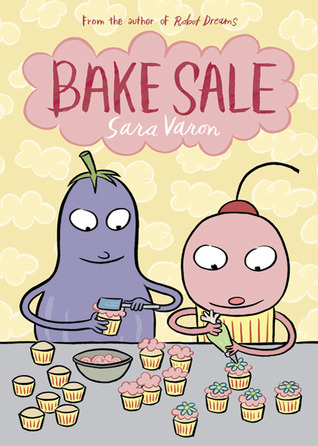
Bake Sale by Sara Varon

Now available in our Children's Graphic Novel collection!

From Publishers Weekly:

In a world of anthropomorphized food, Cupcake is a pink cupcake who runs his own bakery and idolizes the culinary work of Turkish Delight, a famous foreign chef. Cupcake's best friend, Eggplant, has a way for Cupcake to meet his idol, but first Cupcake must spend extra time earning enough money for the plane trip to Turkey. Cupcake has to drop out of the band he enjoys and go the extra mile to sell as many baked goods as he can. Much of the book shows Cupcake's hard work, which doesn't actually get him anywhere in the end because he gives his money to Eggplant-who has lost his job-instead. This seems to be showing that it's good to help others, and not to idolize when one can believe in oneself. However, it does make the ending feel a tad anticlimactic and as if nothing has been solved, since it seems that Cupcake has worked hard and pushed himself for nothing. Altogether the book has a mellow, easygoing feel, using soft colors and showing many yummy foods. As an added bonus, recipes for how to make the various scrumptious meals readers watch Cupcake prepare are provided. As in her previous Robot Dreams, Varon's art is simple and cozy, making this sweet tale a confection of its own. Ages 9-12. (Aug.) (c) Copyright PWxyz, LLC. All rights reserved.